
Background
Parevi village in Kantharia Panchayat of Jhadol block once struggled with water scarcity and low crop yields. In Pal Fala hamlet, farmer Kesulal Gorna owned 3.5 bighas of land and a well, but limited water availability restricted his agricultural output. His family depended solely on farming wheat, chili, ginger, and maize, leaving them vulnerable to low income and food insecurity.
The Intervention
From April 2008 to September 2011, RBKS and Wells for India (UK) implemented a watershed project in the region. During Village Development Committee (VDC) meetings, Kesulal raised concerns about irrigation challenges. The project team introduced two key solutions:
-
Nal Bandhna to recharge his well and improve water availability.
-
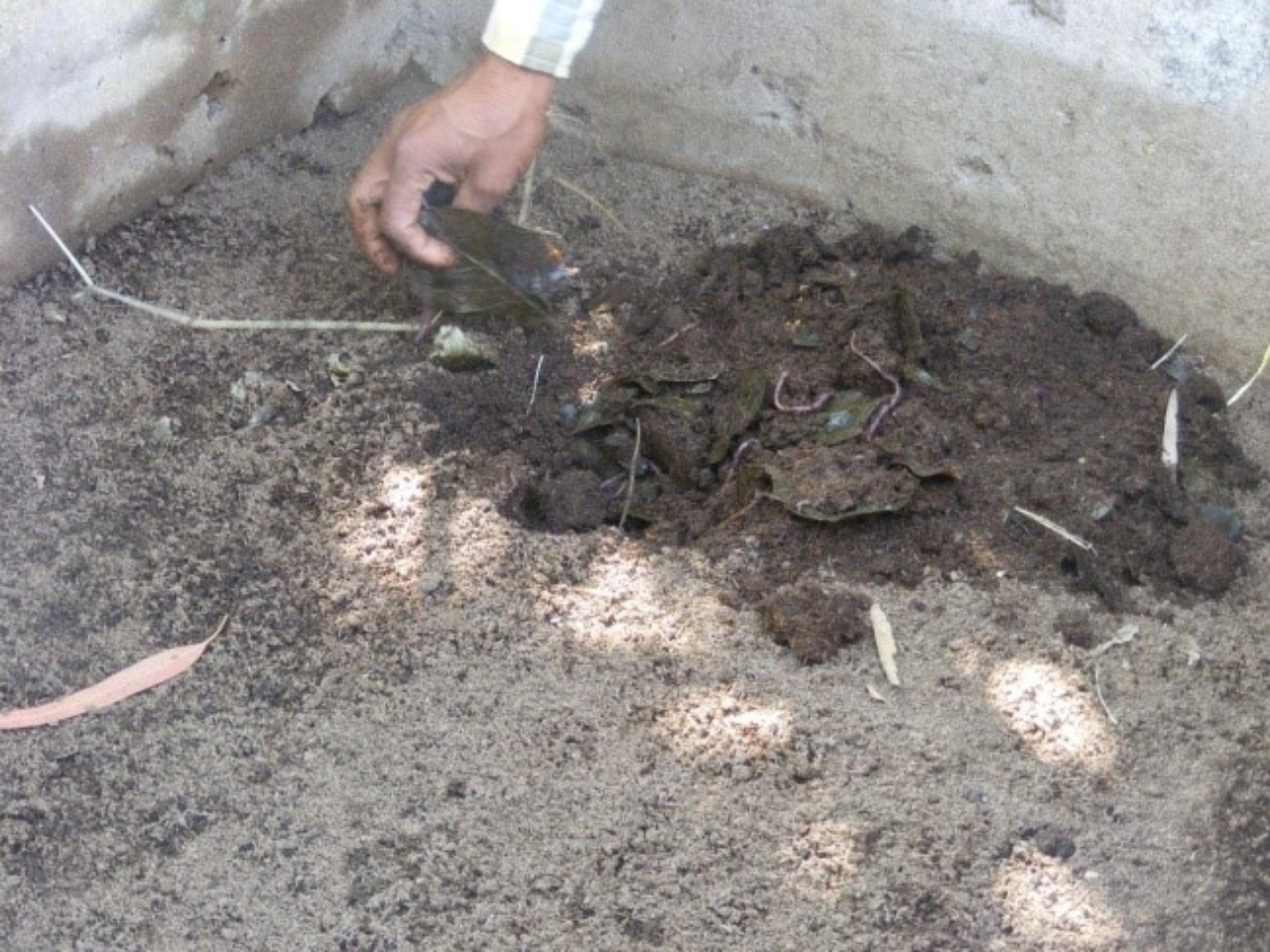
Vermicomposting to enhance soil fertility and create additional income opportunities.
Kesulal adopted both practices with commitment and care.
The Outcome
-
Improved Water Supply: Nal Bandhna increased the well’s water level, enabling regular irrigation.
-
Better Crop Yields: With irrigation and vermicompost, production rose significantly:
-
Wheat: 8 quintals per bigha
-
Maize: 3 quintals per bigha
-
Ginger & Chili: grown successfully on small plots
-
-
Additional Income:
-
Produced 10 quintals of compost in 2009
-
Sold 2 quintals at Rs. 250 per quintal and 15 kg earthworms at Rs. 90 per kg
-
Earned Rs. 1,850 directly from vermicomposting
-
-
Sustainability: After losing worms to ants, Kesulal reinvested in new ones and upgraded the compost unit for protection.
The Impact
-
Economic Growth: Earned Rs. 18,300 from crops in 2011–12.
-
Education Support: Pays college fees for his two sons in Udaipur; his daughter is pursuing nursing.
-
Food Security: Stored enough grain and oil for family needs and hosted meals for guests at his daughter’s wedding.
-
Community Inspiration: His success encouraged other farmers to adopt similar practices.
Conclusion
Through the partnership of RBKS and Wells for India (UK), interventions like Nal Bandhna and vermicomposting transformed Kesulal’s livelihood. He moved from uncertain harvests to sustainable farming, improved income, and secured a better future for his family. This story stands as a testament to how watershed development can change lives in rural Rajasthan.