Reliance Foundation –
Climate Resilience and Self-Reliant Rural Communities in Pratapgarh
Building Sustainable Futures
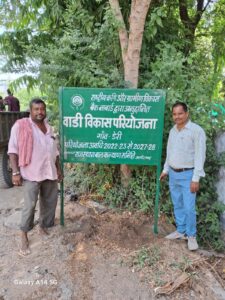
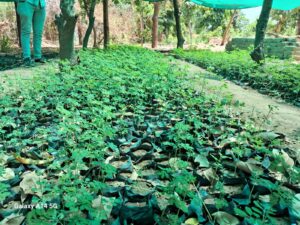
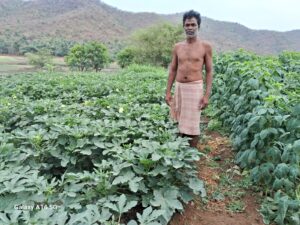
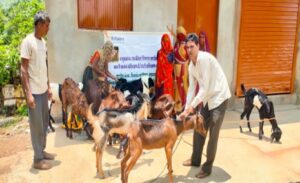
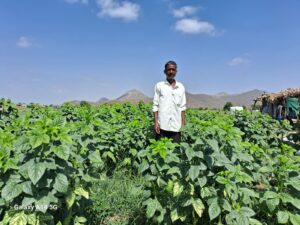
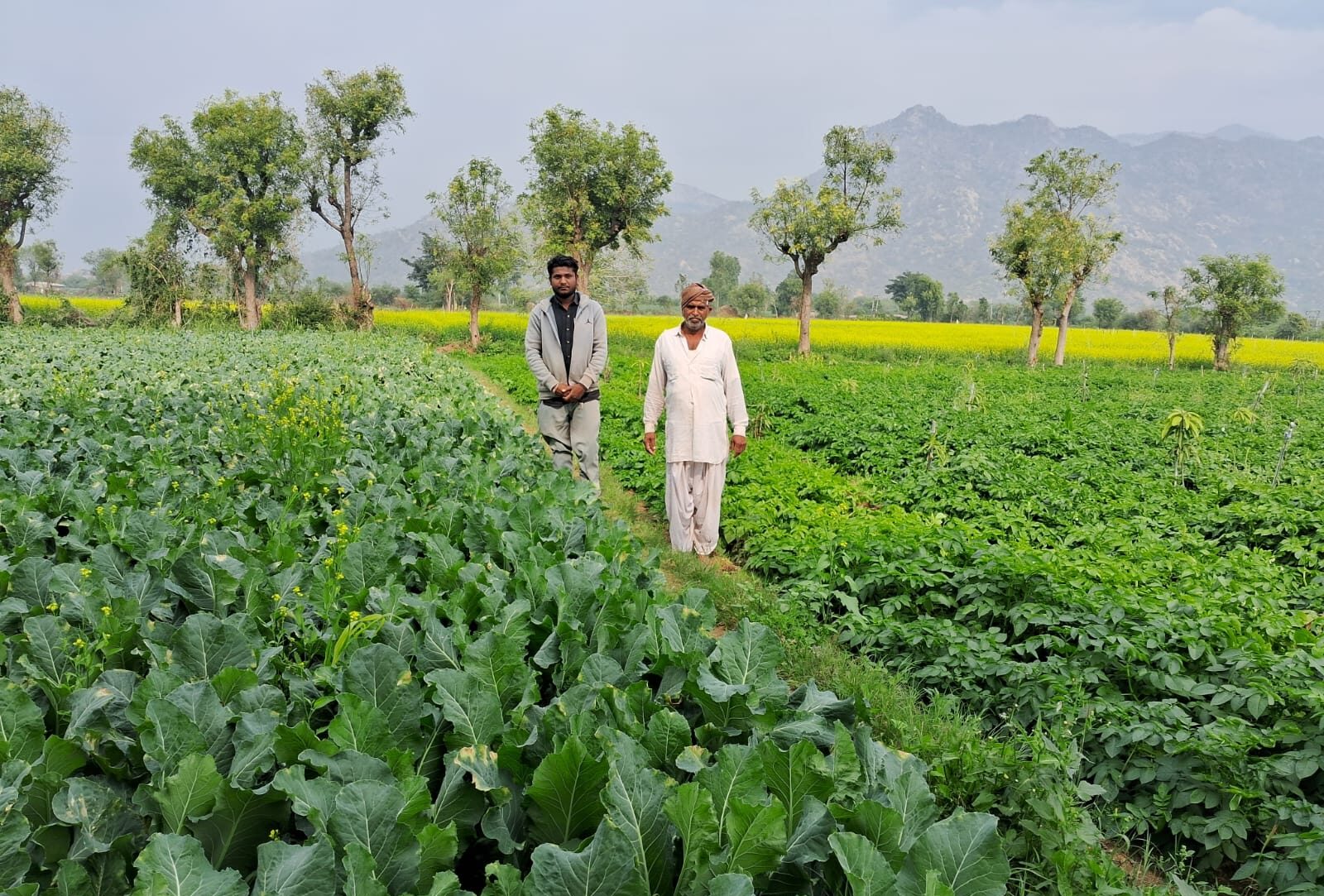
Rajasthan Bal Kalyan Samiti (RBKS), with the support of Reliance Foundation, is working across 131 villages in Pratapgarh to strengthen climate resilience and promote self-reliant rural communities. The initiative focuses on four major livelihood activities—dairy farming, horticulture, advanced goat farming, and vegetable cultivation—helping farmers adopt advanced techniques that ensure sustainability, productivity, and income growth.
Cluster-Based Livelihood Development
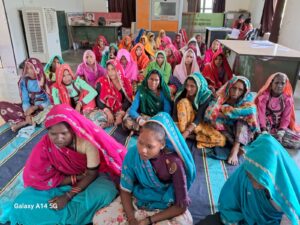
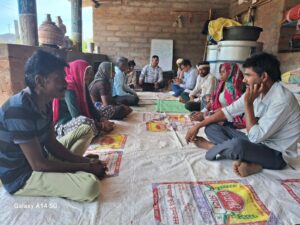
Through a cluster approach, farmers are organized into groups where they receive awareness programs, training sessions, demonstration support, and exposure visits. Village-Level Committees (VLCs) play a vital role in ensuring transparency and inclusivity in farmer selection.
| Focus Area | Impact / Beneficiaries |
|---|---|
| Villages Covered | 131 villages in Pratapgarh |
| Dairy Farming | 287 farmers supported |
| Horticulture | 186 farmers supported |
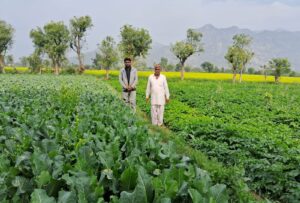
| Goat Farming | 441 farmers supported |
| Vegetable Cultivation | 61 farmers supported |
| Crop Improvement | 2,072 farmers across 1,338 hectares |
| Greywater Management | 18 villages, 472 households benefited |
| Drinking Water Management | 6 villages, 178 families benefited |
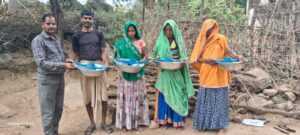
| Modern Tools Distributed | Seed treatment drums, electric sprayers, hand weeders, grading machines |
| Seed Innovation | Bio-fortified & drought-resistant varieties introduced |
Promoting Climate-Resilient Practices
The project equips farmers to adopt eco-friendly and climate-smart farming methods. Key interventions include:
-
Water conservation and greywater management
-
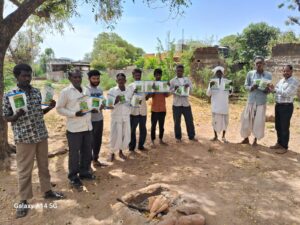
Seed saving and bio-fortified seed distribution
-
Reduced use of chemical pesticides through organic alternatives
-
Improved soil health and sustainable land use
-
Short-duration and drought-resistant crops for climate adaptability
These practices reduce farming costs, improve food quality, and ensure long-term agricultural resilience.
From Vulnerability to Resilience: Building Self-Reliant Tribal Communities
| Aspect | Before the Project | After the Project |
|---|---|---|
| Water Availability | Scarcity of drinking water, dependence on erratic monsoons | Reliable access through greywater management & drinking water initiatives |
| Agriculture | Low productivity, high dependence on chemical inputs | Higher yields with bio-fortified, drought-resistant seeds & organic practices |
| Livelihood Options | Limited income sources, high farming costs | Diversified livelihoods: dairy, horticulture, goat farming, vegetables |
| Farming Techniques | Traditional methods, minimal access to modern tools | Access to seed treatment drums, sprayers, weeders, grading machines |
| Food Security | Frequent shortages, dependence on external markets | Improved household nutrition & year-round food availability |
| Community Resilience | Vulnerable to climate stress, weak support systems | Stronger farmer clusters, knowledge sharing & self-reliance |
Advanced Agricultural Support
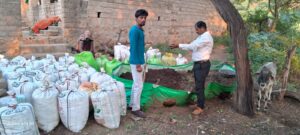
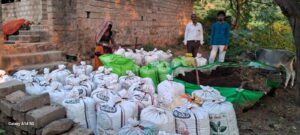
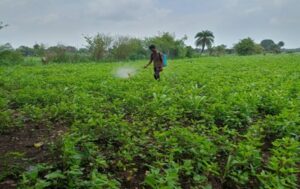
To improve efficiency and yields, RBKS has supported 2,072 farmers across 1,338 hectares with modern tools and techniques, including:
-
Seed treatment drums
-
Electric sprayer machines
-
Hand weeders and grading machines
The introduction of bio-fortified and drought-resistant seeds has led to:
-
Higher yields
-
Shorter crop cycles
-
Greater resilience against climate stress
Demonstration farms enable farmers to replicate best practices and distribute high-quality seeds at affordable rates, multiplying the project’s impact.
Impact
Through this initiative, RBKS and Reliance Foundation are empowering farmers to achieve:
-
Economic stability through higher and more reliable incomes
-
Food security for families and communities
-
Stronger rural resilience against climate change
-
Sustainable agricultural growth built on innovation, knowledge sharing, and resource conservation
By combining traditional wisdom with modern practices, the project is nurturing self-reliant rural communities in Pratapgarh, ensuring a healthier and more sustainable future.