
TDF Wadi Project – Nal Cluster, Gogunda, Udaipur
Supported by NABARD
Transforming Tribal Livelihoods through Horticulture and Agroforestry
The TDF Wadi Project in the Nal Cluster of Gogunda, Udaipur, supported by NABARD, is a flagship initiative designed to uplift the lives of small and marginal tribal farmers. By combining sustainable horticulture, agroforestry, and capacity-building, the project is creating long-term livelihood opportunities while restoring ecological balance.
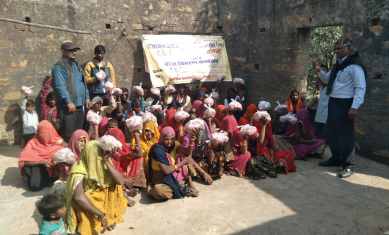
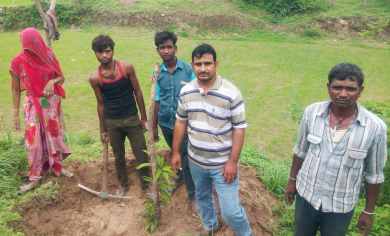
The project covers six villages—Nal, Mokhi, Kundalwas, Surajbara, Nathiyathal, and Kuriyabara—where 500 Wadis (small orchards) have been developed, directly benefiting 500 farmer families.
Core Objectives
-
Provide tribal farmers with sustainable income opportunities through orchard development
-
Enhance nutritional security at the household level
-
Promote agroforestry and soil conservation for long-term ecological benefits
-
Build resilience and self-reliance among tribal communities
Project Impact at a Glance
-
500 Wadis (orchards) developed
-
500 tribal families benefited
-
6 villages covered – Nal, Mokhi, Kundalwas, Surajbara, Nathiyathal & Kuriyabara
-
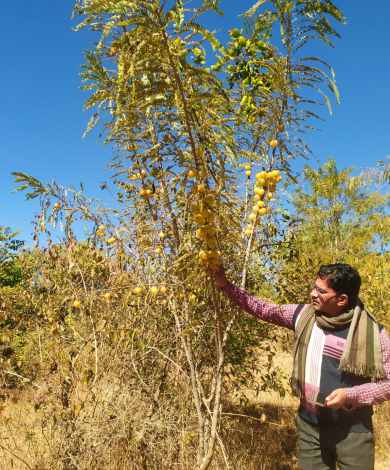
Fruit trees planted: Amla & Mango for nutrition + income
-
Agroforestry: Sagwan (Teak) for long-term ecological & economic returns
-
2 seasonal vegetable seed distributions annually for year-round income & food security
-
Capacity-building & training in soil health, organic farming & water conservation
Key Interventions
Orchard Development
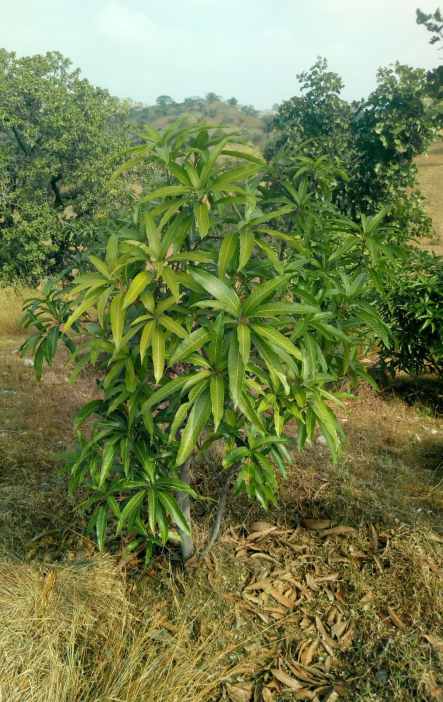
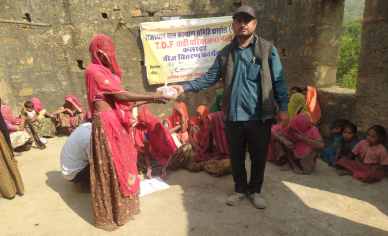
Each farmer has been provided with Amla (Indian Gooseberry) and Mango saplings, both ideally suited to the region’s climate. These fruit-bearing trees will not only improve nutrition but also generate sustainable income once they mature and yield produce for local markets.
Agroforestry for Sustainability
To strengthen environmental outcomes, farmers have also received Sagwan (Teak) saplings, a high-value timber species known for long-term economic returns and for contributing to forest cover.
Seasonal Vegetable Support
The project distributes vegetable seeds twice a year, enabling farmers to grow short-term, high-yield crops. This ensures:
-
Steady income throughout the year
-
Improved family nutrition
-
Surplus produce for sale in nearby markets
Capacity-Building & Training
Farmers receive regular training and technical support on:
-
Orchard management
-
Soil health improvement
-
Organic farming methods
-
Water conservation practices
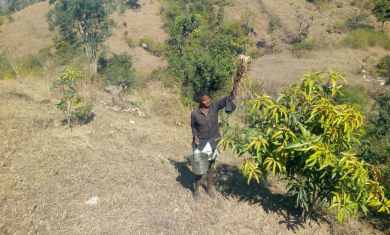
Continuous monitoring ensures sapling survival and optimal growth, while community mobilization fosters ownership and long-term commitment.
Impact
The TDF Wadi Project is more than just an agricultural initiative—it is a pathway to economic stability, food security, and environmental restoration. By blending traditional knowledge with modern techniques, the project is helping tribal families secure their livelihoods, strengthen resilience, and contribute to sustainable rural development in Gogunda.