Zomato – Feeding India
Ensuring Nutritional Security for 2,156 Beneficiaries Through Meal Support in 8 Schools and Hostels
Partnership for Nutrition and Education
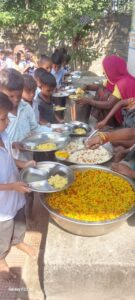
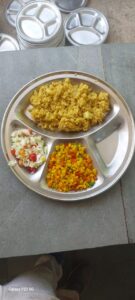
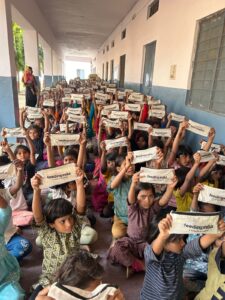
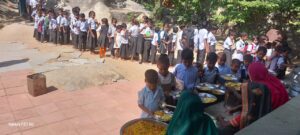
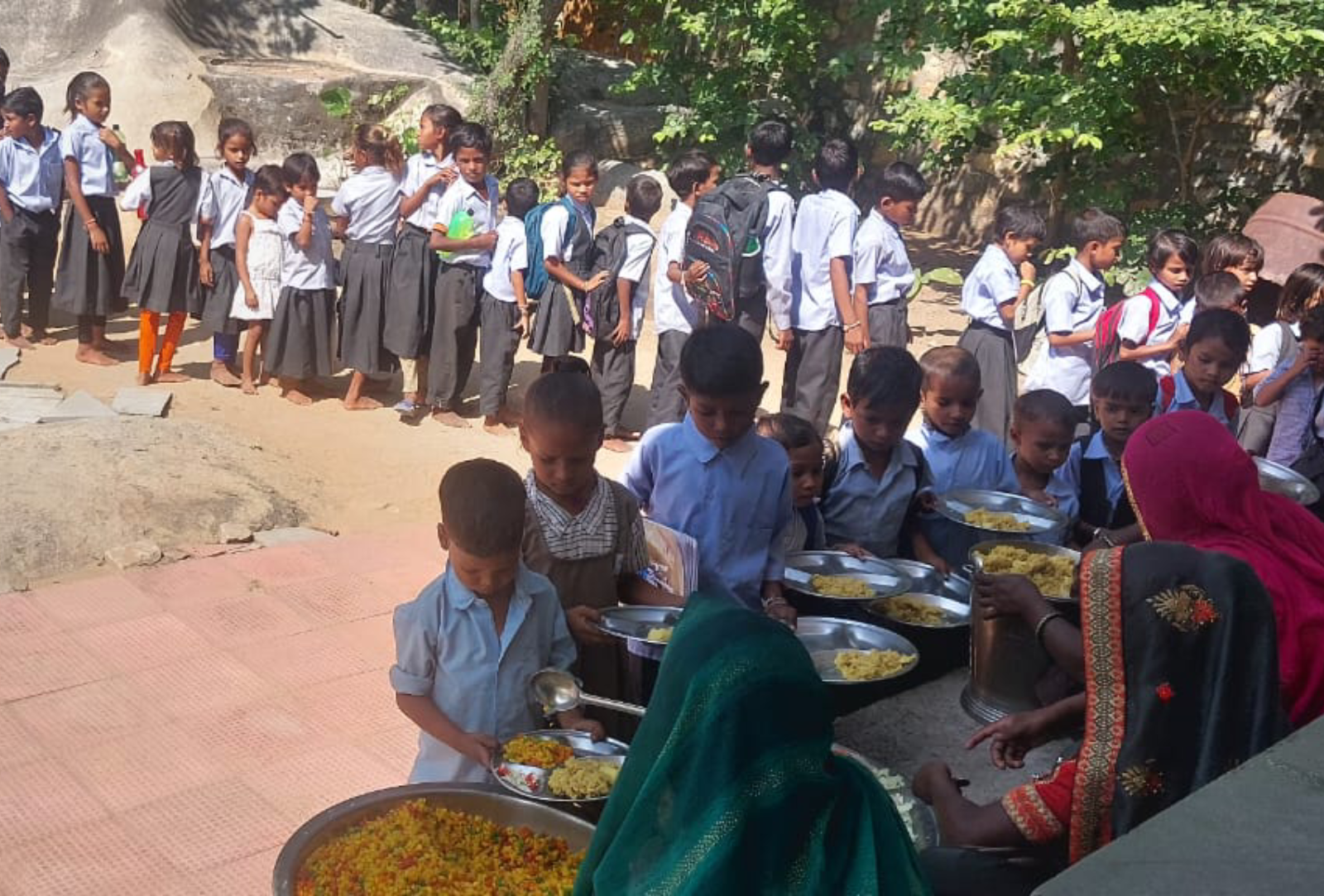
In collaboration with Feeding India – A Zomato Give Back Initiative, Rajasthan Bal Kalyan Samiti (RBKS) is addressing one of the most critical challenges faced by tribal and economically disadvantaged children: access to nutritious food. Through this partnership, 2,156 students and staff across eight schools and hostels now receive fresh, hygienic, and well-balanced meals throughout the year.
Why Nutrition Matters
Proper nutrition is the foundation of a child’s education and overall development. Many of the children supported by this program come from families where food insecurity is a daily reality. The meal support initiative ensures that:
-
Children receive proteins, vitamins, and minerals essential for physical and cognitive growth.
-
Nutritional gaps that lead to malnutrition and undernourishment are effectively addressed.
-
Students build stronger immunity, higher energy levels, and better concentration.
| Project Highlight | Details |
|---|---|
| Schools & Hostels Covered | 8 institutions supported |
| Total Beneficiaries | 2,156 students and staff |
| Meal Quality | Fresh, hygienic, and balanced meals enriched with proteins, vitamins, minerals |
| Health Impact | Improved immunity, energy levels, and physical development |
| Educational Impact | Better concentration, academic performance, and participation in activities |
| Community Impact | Reduced malnutrition, lower dropout rates, and improved family nutrition awareness |
Key Outcomes
-
Improved Health: Students show better physical development and reduced health-related absences.
-
Better Academic Performance: Teachers have observed higher energy, improved focus, and greater participation in class.
-
Increased Retention: The program reduces dropout rates by addressing hunger and nutritional deficiencies.
-
Holistic Development: Children are more active in extracurricular activities, sports, and cultural programs.
Promoting Hygiene and Healthy Habits
The program goes beyond providing meals. It also creates a culture of health and hygiene:
-
Regular food quality checks and safe cooking practices in clean kitchen facilities.
-
Awareness sessions on healthy eating habits and nutrition.
-
Encouraging students to make informed food choices and adopt healthier lifestyles.
Students often take these lessons home, spreading awareness in their families and communities, leading to wider improvements in nutrition and health consciousness.
Community and Family Benefits
By ensuring daily meals in schools and hostels, the program reduces the financial burden on families, allowing parents to focus their resources on other educational and developmental needs. This not only strengthens children’s academic journeys but also contributes to community-wide progress.
Nourishing Minds, Building Futures: No Child Sleeps Hungry
| Aspect | Before the Initiative | After the Initiative |
|---|---|---|
| Nutrition | Many children undernourished, lacking essential nutrients | Daily balanced meals with proteins, vitamins, and minerals |
| Health | Weak immunity, frequent illness, low energy | Improved health, higher energy levels, stronger immunity |
| Education | Low concentration, irregular attendance, and high dropout rates | Better focus, regular attendance, and reduced dropout rates |
| Community Impact | Families burdened by food insecurity | Reduced financial burden, improved family food awareness |
| Overall Development | Limited participation in extracurricular activities | Active involvement in academics, sports, and cultural events |
Conclusion
The collaboration between RBKS and Feeding India – A Zomato Give Back Initiative ensures that no child sleeps hungry. It reinforces the belief that a well-fed child is a well-learned child. This initiative stands as a model of sustainable food security, showcasing how collective action and strategic partnerships can drive meaningful change in underprivileged communities.
RBKS remains committed to expanding and strengthening such interventions, working toward a healthier, educated, and empowered future for children in tribal and marginalized areas.